Home > Tips and Tricks > What your chin whisk...
You’re washing your face, applying moisturizer, or just catching your reflection in a shop window—and there it is.
A single, wiry hair. Right on your chin.
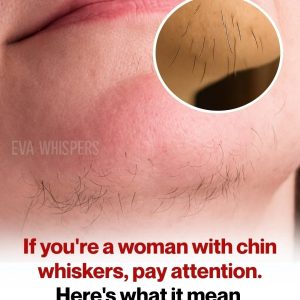
Your first reaction might be a quick pluck and a mental note to “deal with it later.” But sometimes, that tiny strand lingers in your mind longer than it ever did on your skin. Why is this happening? Is it normal? Does it mean something’s wrong?
If you’ve ever felt that quiet flicker of worry—or even shame—you’re not alone. And here’s the most important thing I want you to know right up front: chin hair in women is incredibly common, completely natural, and rarely a cause for alarm.
Whether you’re in your 20s or your 60s, that little whisker is usually just your body doing its thing. But sometimes, it can be a gentle signal worth listening to. Let’s talk about what chin hair really means, why it happens, and how to respond with both practicality and kindness—toward your skin and yourself.
Why Do Women Get Chin Hair? The Science, Simplified
First, let’s normalize this: up to 40% of women experience some degree of unwanted facial hair, especially on the chin, upper lip, or jawline . It’s not a flaw. It’s biology.
🌱 Common, Totally Normal Causes
Hormonal shifts: Androgens (often called “male” hormones, but present in all bodies) influence hair growth. Fluctuations during puberty, pregnancy, perimenopause, or menopause can make chin hair more noticeable.
Genetics: If your mom, aunt, or grandmother had chin hair, chances are you might too. Ethnicity also plays a role—women with Mediterranean, South Asian, or Middle Eastern heritage often have naturally more visible facial hair.
Aging: As estrogen declines with age, the relative balance of androgens can shift, making fine “peach fuzz” transform into coarser, darker hairs.
⚠️ When It Might Signal Something More
Sometimes, chin hair can be a clue that your body is asking for a little extra attention. Consider talking to a healthcare provider if you notice:
Sudden or rapid growth of coarse, dark hair on the face, chest, or abdomen
Other symptoms like irregular periods, acne, scalp hair thinning, or unexplained weight changes
Hair growth that feels distressing or impacts your confidence
These could be signs of conditions like:
PCOS (Polycystic Ovary Syndrome): A common hormonal condition affecting 1 in 10 women, often linked to excess androgens.
Thyroid imbalances: Both hyper- and hypothyroidism can affect hair texture and growth patterns.
Medication side effects: Certain drugs (like steroids or some hormonal treatments) may influence hair growth.
Important: Having chin hair doesn’t automatically mean you have a medical condition. But if something feels “off” beyond the hair itself, it’s always okay to ask questions.
Your Options: How to Manage Chin Hair (With Compassion)
Whether you choose to remove chin hair, leave it be, or something in between—your choice is valid. Here are gentle, practical approaches to consider.
✨ Quick & Simple At-Home Methods
Tweezing: Best for isolated hairs. Sterilize tweezers, pull in the direction of growth, and soothe skin afterward with aloe or a gentle toner.
Trimming: Use small, curved scissors or an electric facial hair trimmer for a quick, painless fix. No risk of ingrown hairs!
Depilatory creams: Formulated for facial use, these dissolve hair at the surface. Always patch-test first to avoid irritation.
💆 Professional Treatments Worth Exploring
Threading: A precise, chemical-free method using twisted cotton thread. Great for shaping and removing multiple hairs at once.
Waxing or sugaring: Removes hair from the root for longer-lasting results. Best done by a licensed esthetician for sensitive facial skin.
Laser hair reduction: Targets hair follicles with light energy. Works best on dark hair and lighter skin tones; requires multiple sessions.
Electrolysis: The only FDA-approved permanent hair removal method. Ideal for small areas like the chin, though it takes time and commitment.
🌿 Holistic Support (If Hormones Are a Factor)
If chin hair is linked to hormonal shifts, some women find relief through:
Balanced nutrition: Prioritize whole foods, fiber, and healthy fats to support hormone metabolism.
Stress management: Chronic stress can influence cortisol and androgen levels. Gentle movement, breathwork, or journaling may help.
Talking to a provider: If PCOS or thyroid issues are suspected, treatments like birth control, spironolactone, or thyroid medication can help regulate hair growth from within.
A Gentle Reminder: Your Body, Your Choice
Here’s what I wish someone had told me the first time I noticed a chin hair: You don’t owe anyone smooth skin.
In a world that often equates femininity with hairlessness, it’s easy to feel like any stray hair is a failure. But your body isn’t broken. Hair growth is natural. And how you choose to respond—whether that’s plucking, laser treatment, or simply letting it be—is a personal decision that deserves respect.
If you do choose removal, do it from a place of self-care, not shame. If you choose to leave it, wear it with pride. Either way, you’re whole.
Frequently Asked Questions
Is chin hair a sign of high testosterone? Not necessarily. While androgens influence hair growth, many women with completely normal hormone levels experience chin hair due to genetics, aging, or natural variation. Blood tests are the only way to assess hormone levels accurately.
Can stress cause chin hair? Chronic stress can disrupt hormone balance over time, potentially influencing hair growth. But a single stressful week won’t suddenly cause whiskers. Focus on sustainable stress support, not quick fixes.
Will plucking make hair grow back thicker? No—that’s a myth. Plucking removes hair from the root, and it will grow back with the same texture. However, repeated trauma to the follicle can sometimes cause slight changes over many years.
When should I see a doctor about chin hair? If hair growth is sudden, rapid, or accompanied by other symptoms like irregular periods, acne, or hair loss on the scalp, it’s worth discussing with a healthcare provider to rule out underlying conditions.
How can I prevent ingrown hairs after removal? Exfoliate gently 1-2 times per week, avoid tight clothing or friction on the area, and apply a soothing, non-comedogenic moisturizer. If ingrowns persist, try a product with salicylic acid or glycolic acid.
You’re Not Alone—And You’re Okay
That little chin hair? It doesn’t define your femininity, your health, or your worth. It’s just a tiny part of the beautifully complex human that you are.
Whether you pluck it, ignore it, laugh about it with a friend, or use it as a prompt to check in with your health—your response is valid. What matters most is that you treat yourself with the same kindness you’d offer someone you love.
Have you ever noticed chin hair and wondered what it meant? Did you try a removal method that worked well for you? Or maybe you’ve learned to embrace it—and that’s wonderful too. I’d love to hear your story in the comments below. And if you think a friend might appreciate this reminder today, share it with them. Here’s to honoring our bodies, exactly as they are. 💛✨