Home > Tips and Tricks > What Those Vertical...
Part 1 of 2
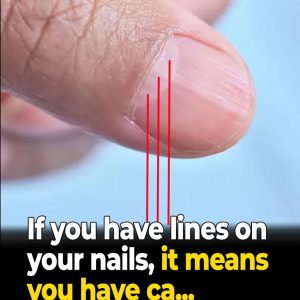
Have you noticed faint or deep vertical lines running from the base to the tip of your fingernails? If so, you’re not alone — and you’re certainly not imagining it. These lines, often more noticeable with age, are commonly referred to as vertical nail ridges. For many people over the age of 40, they seem to appear out of nowhere and prompt questions about what might be going on beneath the surface.
The good news? In most cases, they’re harmless. But sometimes, these changes in your nails can be signs of deeper issues. Let’s take a closer look at why they happen, what they could mean, and how to care for aging nails to keep them strong and healthy.
What Are Vertical Nail Ridges?
Vertical ridges, also known as longitudinal striations, are raised lines that run from the cuticle (the base of the nail) to the tip. Some ridges are barely noticeable, while others can be felt clearly when you run your finger across the nail.
It’s a natural part of the body’s aging process. Just as skin starts to show wrinkles and hair begins to gray, the texture and structure of our nails also begin to change. Over time, the cells that form your nails — known as keratin-producing cells — may slow down or become uneven in their growth. This results in changes to how smooth your nails look and feel.
What Causes These Ridges After 40?
1. Natural Aging
As we grow older, our body’s ability to regenerate cells slows down. This includes the cells in the nail matrix, which is the base area of your fingernail where growth begins.
When nail cells don’t form as evenly or quickly as they once did, the surface of the nail can become less smooth, causing those visible ridges. For most people, this is not a cause for concern — it’s simply one of the many natural changes that occur with age.
2. Dryness and Dehydration
One of the less obvious effects of aging is a loss of moisture, not just in our skin but also in our nails. Drier nails tend to become more brittle and less flexible. This makes any existing ridges appear more prominent and can lead to cracking or peeling.
Frequent handwashing, exposure to soap, or working with cleaning products without gloves can make this dryness worse over time.
3. Nutrient Deficiencies
Another common factor is lack of essential vitamins and minerals, especially:
Biotin (Vitamin B7)
Iron
Zinc
Magnesium
As we age, our bodies don’t absorb nutrients as efficiently. That means even if you’re eating well, you might still fall short in certain areas — and your nails could be one of the first places to show it.
If you’ve also been experiencing fatigue, thinning hair, or slow healing, it might be worth speaking to your doctor about possible deficiencies.
4. Underlying Health Conditions
In rarer cases, pronounced vertical ridges could be a sign of a health issue that needs attention. Some possible causes include:
Poor circulation
Thyroid imbalances (both underactive and overactive)
Rheumatoid arthritis
Skin conditions like eczema or psoriasis
If nail ridges are accompanied by other unusual symptoms — such as joint pain, changes in skin texture, or unexplained fatigue — it’s best to have it checked by a healthcare professional.
When to See a Doctor
Although vertical ridges are typically harmless, there are times when they could signal something more serious. You should seek medical attention if your nail ridges are accompanied by:
Next Part →
12
Part 2
Part 2 of 2
Dark brown or black streaks underneath the nail
Nail splitting, thickening, or peeling
Redness, pain, or swelling around the nail bed
These may point to a fungal infection, injury, or — in rare cases — a form of skin cancer called melanoma, which can develop under the nail.
Early detection matters, so never ignore a sudden or dramatic change in your nail’s appearance.
How to Care for Aging Nails
Even though ridges may be part of aging, there are several ways to care for your nails to minimize their appearance and improve their overall strength:
1. Moisturize Regularly
Use a hand cream or nail oil that’s rich in ingredients like vitamin E or shea butter, especially after washing your hands or using cleaning products.
2. Stay Hydrated
Drinking enough water each day is essential for nail health. Dehydrated nails are more prone to brittleness and visible ridges.
3. Focus on Nutrition
Eat a balanced diet with a variety of fruits, vegetables, lean proteins, and whole grains. Pay special attention to:
Vitamin A and C (for healthy nail cells)
Biotin (found in eggs, nuts, and whole grains)
Zinc and iron (found in leafy greens, legumes, and meats)
Talk to your doctor before starting supplements, especially if you’re already taking medication.
4. Be Gentle with Your Nails
Skip harsh manicures and don’t file your nails too aggressively. Buffing can help smooth ridges, but overdoing it can thin the nail and make things worse.
Choose acetone-free nail polish remover and avoid artificial nails or gels if you notice your nails are weakening.
5. Protect Your Hands
Wear gloves while doing household chores or gardening. Frequent exposure to chemicals and moisture can dry out the nails and skin around them.
It’s natural for our bodies to change as we age — and our nails are no exception. Vertical ridges on the fingernails are incredibly common and, in most cases, simply a sign of getting older. Still, your nails can sometimes offer subtle clues about what’s going on beneath the surface of your health.
By staying aware of how your nails look and feel — and giving them the care they need — you can keep them strong, smooth, and healthy for years to come.
If something feels off or changes rapidly, don’t hesitate to bring it up with your healthcare provider. When it comes to health, even small details can be worth a closer look.
← Prev Part
12
Part 3
Part 1 of 2
It was a typical Sunday in a modest neighborhood on the outskirts of Los Angeles.
The midday heat slipped through the thin windows of Mrs. Helen’s small, worn house. At 68, her face carried the quiet evidence of a life spent giving everything she had. Inside, the silence felt dense, almost suffocating. On the stove, a pot of chicken soup simmered slowly. Helen had cooked it with care, saving the best piece of meat with the simple hope that her son might stop by.
It had been over three months since Jason, 34, had barely spoken to her. And when he did show up, it was never out of concern.
That day was no different.
The front door burst open without warning. Jason walked in quickly, his expression already tense. Behind him came his wife, Ashley, 29, her eyes scanning the room with open disdain, as if she were already judging what would soon belong to her. Helen tried to smile, placing two steaming plates on the table, but neither of them moved.
“Mom, we need to talk,” Jason said flatly.
“You know this is your home… sit down, eat something…” she began, but he cut her off.
“You know why we’re here,” he said, crossing his arms. “The money.”
Helen felt her chest tighten. That money—fifty-five thousand dollars—was everything she had left. Decades of washing clothes and selling food, saved little by little and hidden in an old cookie tin beneath her bed. It was her only protection against becoming a burden.
“I… I don’t have much, son,” she whispered, eyes fixed on her shaking hands.
Ashley let out a sharp laugh. “You always play this same game. Acting like you have nothing, but you’re hiding money. That’s selfish.”
The words cut deep. Helen looked at Jason, searching for even a flicker of the boy she once knew. There was nothing.
“I’m drowning in car debt, Mom,” he demanded. “You need to help me. It’s your responsibility.”
Not a request. A command.
“And what about me, Jason?” she asked softly. “What happens if I get sick?”
That was enough to set him off. He slammed his fist onto the table.
“You’re always thinking about yourself! Your whole life you’ve been selfish!”
The accusation stunned her. She, who had gone hungry so he could eat. She, who worked through illness to put him through school. But she stayed silent.
Ashley stepped closer. “Honestly, it’s embarrassing. A mother who won’t even help her own son…”
Helen barely heard the rest.
“Go get that money. Now!” Jason shouted.
And before she could move…
His hand struck her.
The sound echoed through the house. Her head snapped to the side, the sting immediate—but nothing compared to the pain inside. Her own son had hit her.
She said nothing.
After a long moment, she turned away.
“Take whatever you want,” she said in a hollow voice.
She walked to her room, knelt with difficulty, pulled out the tin, and returned. She placed it on the table beside the untouched food.
Jason grabbed it, counted the money, stuffed it into his pockets, and left with Ashley without a word.
When the car disappeared, the house fell into silence again—but now it was the silence of grief.
That night, Helen didn’t sleep. She sat on the edge of her bed, replaying every memory—his childhood laughter, his illnesses, his graduation. One question echoed in her mind: when did everything go wrong?
The next morning at nine, frantic knocking shook the door.
Slowly, she opened it.
Jason was on his knees, crying uncontrollably, his body trembling.
“Mom… please forgive me…” he sobbed.
Her eyes dropped to what he held: a crumpled brown envelope.
She froze.
“What is that?” she asked coldly.
Next Part →
12
Part 4
Part 2 of 2
“I found it… please tell me it’s not true,” he begged.
She already knew.
“Read it,” he said, handing her the letter.
She recognized her handwriting and began aloud:
“My son, Jason. If you’re reading this, it means I’m no longer here… The money you found isn’t selfishness. It’s fear—fear of becoming a burden…”
Her voice faltered but continued.
“Three months ago, I was diagnosed with end-stage kidney failure. Treatment is expensive, and I didn’t tell you because you have your own life… I saved this money for medicine, or my funeral… I didn’t want to leave you with debts…”
Jason broke down completely.
“No… no…”
She finished:
“If you need this money one day, take it—but take it with love, not anger… With all my heart, Mom.”
She folded the paper.
Jason was shattered.
“Why didn’t you tell me?” he cried.
“Because you were too far away to hear me,” she replied quietly.
That truth crushed him.
He pulled out the money, placing it at her feet. “I didn’t spend anything… I swear…”
She noticed Ashley was gone.
“She left,” Jason admitted bitterly. “She said she wouldn’t deal with a sick mother or expenses. She walked out.”
Helen gave a faint, sad smile.
Jason clung to her. “Let me stay. Let me take care of you. Please…”
She stroked his hair.
“The slap wasn’t what broke me,” she said softly.
He looked up.
“What destroyed me… was realizing I raised someone who could do that.”
He fell silent. And for the first time in years, she saw real understanding in his eyes.
She stepped aside and opened the door.
“Come in.”
That one word saved him.
The months that followed were hard. No miracles. Dialysis began. Pain filled long nights. But Jason stayed. He cooked, cleaned, worked, and cared for her—not out of obligation, but choice.
One night, he whispered, “If I could go back… I’d lose my hand before hurting you.”
She squeezed his fingers gently. “You can’t change the past. But you can choose who you are now.”
He nodded, tears falling.
Helen doesn’t know how much time she has left. But she knows one thing: she won’t leave this world carrying betrayal.
Sometimes life breaks us completely… so love can find its way back.
And you, after reading this…
Do you believe someone who crossed that line deserves a second chance if their remorse is real? Or are there lines that should never be forgiven?
← Prev Part
12
Part 5
Part 1 of 2
It was a typical Sunday in a modest neighborhood on the outskirts of Los Angeles.
The midday heat slipped through the thin windows of Mrs. Helen’s small, worn house. At 68, her face carried the quiet evidence of a life spent giving everything she had. Inside, the silence felt dense, almost suffocating. On the stove, a pot of chicken soup simmered slowly. Helen had cooked it with care, saving the best piece of meat with the simple hope that her son might stop by.
It had been over three months since Jason, 34, had barely spoken to her. And when he did show up, it was never out of concern.
That day was no different.
The front door burst open without warning. Jason walked in quickly, his expression already tense. Behind him came his wife, Ashley, 29, her eyes scanning the room with open disdain, as if she were already judging what would soon belong to her. Helen tried to smile, placing two steaming plates on the table, but neither of them moved.
“Mom, we need to talk,” Jason said flatly.
“You know this is your home… sit down, eat something…” she began, but he cut her off.
“You know why we’re here,” he said, crossing his arms. “The money.”
Helen felt her chest tighten. That money—fifty-five thousand dollars—was everything she had left. Decades of washing clothes and selling food, saved little by little and hidden in an old cookie tin beneath her bed. It was her only protection against becoming a burden.
“I… I don’t have much, son,” she whispered, eyes fixed on her shaking hands.
Ashley let out a sharp laugh. “You always play this same game. Acting like you have nothing, but you’re hiding money. That’s selfish.”
The words cut deep. Helen looked at Jason, searching for even a flicker of the boy she once knew. There was nothing.
“I’m drowning in car debt, Mom,” he demanded. “You need to help me. It’s your responsibility.”
Not a request. A command.
“And what about me, Jason?” she asked softly. “What happens if I get sick?”
That was enough to set him off. He slammed his fist onto the table.
“You’re always thinking about yourself! Your whole life you’ve been selfish!”
The accusation stunned her. She, who had gone hungry so he could eat. She, who worked through illness to put him through school. But she stayed silent.
Ashley stepped closer. “Honestly, it’s embarrassing. A mother who won’t even help her own son…”
Helen barely heard the rest.
“Go get that money. Now!” Jason shouted.
And before she could move…
His hand struck her.
The sound echoed through the house. Her head snapped to the side, the sting immediate—but nothing compared to the pain inside. Her own son had hit her.
She said nothing.
After a long moment, she turned away.
“Take whatever you want,” she said in a hollow voice.
She walked to her room, knelt with difficulty, pulled out the tin, and returned. She placed it on the table beside the untouched food.
Jason grabbed it, counted the money, stuffed it into his pockets, and left with Ashley without a word.
When the car disappeared, the house fell into silence again—but now it was the silence of grief.
That night, Helen didn’t sleep. She sat on the edge of her bed, replaying every memory—his childhood laughter, his illnesses, his graduation. One question echoed in her mind: when did everything go wrong?
The next morning at nine, frantic knocking shook the door.
Slowly, she opened it.
Jason was on his knees, crying uncontrollably, his body trembling.
“Mom… please forgive me…” he sobbed.
Her eyes dropped to what he held: a crumpled brown envelope.
She froze.
“What is that?” she asked coldly.
Next Part →
12
Part 6
Part 2 of 2
“I found it… please tell me it’s not true,” he begged.
She already knew.
“Read it,” he said, handing her the letter.
She recognized her handwriting and began aloud:
“My son, Jason. If you’re reading this, it means I’m no longer here… The money you found isn’t selfishness. It’s fear—fear of becoming a burden…”
Her voice faltered but continued.
“Three months ago, I was diagnosed with end-stage kidney failure. Treatment is expensive, and I didn’t tell you because you have your own life… I saved this money for medicine, or my funeral… I didn’t want to leave you with debts…”
Jason broke down completely.
“No… no…”
She finished:
“If you need this money one day, take it—but take it with love, not anger… With all my heart, Mom.”
She folded the paper.
Jason was shattered.
“Why didn’t you tell me?” he cried.
“Because you were too far away to hear me,” she replied quietly.
That truth crushed him.
He pulled out the money, placing it at her feet. “I didn’t spend anything… I swear…”
She noticed Ashley was gone.
“She left,” Jason admitted bitterly. “She said she wouldn’t deal with a sick mother or expenses. She walked out.”
Helen gave a faint, sad smile.
Jason clung to her. “Let me stay. Let me take care of you. Please…”
She stroked his hair.
“The slap wasn’t what broke me,” she said softly.
He looked up.
“What destroyed me… was realizing I raised someone who could do that.”
He fell silent. And for the first time in years, she saw real understanding in his eyes.
She stepped aside and opened the door.
“Come in.”
That one word saved him.
The months that followed were hard. No miracles. Dialysis began. Pain filled long nights. But Jason stayed. He cooked, cleaned, worked, and cared for her—not out of obligation, but choice.
One night, he whispered, “If I could go back… I’d lose my hand before hurting you.”
She squeezed his fingers gently. “You can’t change the past. But you can choose who you are now.”
He nodded, tears falling.
Helen doesn’t know how much time she has left. But she knows one thing: she won’t leave this world carrying betrayal.
Sometimes life breaks us completely… so love can find its way back.
And you, after reading this…
Do you believe someone who crossed that line deserves a second chance if their remorse is real? Or are there lines that should never be forgiven?
← Prev Part
12
Part 7
Part 1 of 2
It was a typical Sunday in a modest neighborhood on the outskirts of Los Angeles.
The midday heat slipped through the thin windows of Mrs. Helen’s small, worn house. At 68, her face carried the quiet evidence of a life spent giving everything she had. Inside, the silence felt dense, almost suffocating. On the stove, a pot of chicken soup simmered slowly. Helen had cooked it with care, saving the best piece of meat with the simple hope that her son might stop by.
It had been over three months since Jason, 34, had barely spoken to her. And when he did show up, it was never out of concern.
That day was no different.
The front door burst open without warning. Jason walked in quickly, his expression already tense. Behind him came his wife, Ashley, 29, her eyes scanning the room with open disdain, as if she were already judging what would soon belong to her. Helen tried to smile, placing two steaming plates on the table, but neither of them moved.
“Mom, we need to talk,” Jason said flatly.
“You know this is your home… sit down, eat something…” she began, but he cut her off.
“You know why we’re here,” he said, crossing his arms. “The money.”
Helen felt her chest tighten. That money—fifty-five thousand dollars—was everything she had left. Decades of washing clothes and selling food, saved little by little and hidden in an old cookie tin beneath her bed. It was her only protection against becoming a burden.
“I… I don’t have much, son,” she whispered, eyes fixed on her shaking hands.
Ashley let out a sharp laugh. “You always play this same game. Acting like you have nothing, but you’re hiding money. That’s selfish.”
The words cut deep. Helen looked at Jason, searching for even a flicker of the boy she once knew. There was nothing.
“I’m drowning in car debt, Mom,” he demanded. “You need to help me. It’s your responsibility.”
Not a request. A command.
“And what about me, Jason?” she asked softly. “What happens if I get sick?”
That was enough to set him off. He slammed his fist onto the table.
“You’re always thinking about yourself! Your whole life you’ve been selfish!”
The accusation stunned her. She, who had gone hungry so he could eat. She, who worked through illness to put him through school. But she stayed silent.
Ashley stepped closer. “Honestly, it’s embarrassing. A mother who won’t even help her own son…”
Helen barely heard the rest.
“Go get that money. Now!” Jason shouted.
And before she could move…
His hand struck her.
The sound echoed through the house. Her head snapped to the side, the sting immediate—but nothing compared to the pain inside. Her own son had hit her.
She said nothing.
After a long moment, she turned away.
“Take whatever you want,” she said in a hollow voice.
She walked to her room, knelt with difficulty, pulled out the tin, and returned. She placed it on the table beside the untouched food.
Jason grabbed it, counted the money, stuffed it into his pockets, and left with Ashley without a word.
When the car disappeared, the house fell into silence again—but now it was the silence of grief.
That night, Helen didn’t sleep. She sat on the edge of her bed, replaying every memory—his childhood laughter, his illnesses, his graduation. One question echoed in her mind: when did everything go wrong?
The next morning at nine, frantic knocking shook the door.
Slowly, she opened it.
Jason was on his knees, crying uncontrollably, his body trembling.
“Mom… please forgive me…” he sobbed.
Her eyes dropped to what he held: a crumpled brown envelope.
She froze.
“What is that?” she asked coldly.
Next Part →
12
Part 8
Part 2 of 2
“I found it… please tell me it’s not true,” he begged.
She already knew.
“Read it,” he said, handing her the letter.
She recognized her handwriting and began aloud:
“My son, Jason. If you’re reading this, it means I’m no longer here… The money you found isn’t selfishness. It’s fear—fear of becoming a burden…”
Her voice faltered but continued.
“Three months ago, I was diagnosed with end-stage kidney failure. Treatment is expensive, and I didn’t tell you because you have your own life… I saved this money for medicine, or my funeral… I didn’t want to leave you with debts…”
Jason broke down completely.
“No… no…”
She finished:
“If you need this money one day, take it—but take it with love, not anger… With all my heart, Mom.”
She folded the paper.
Jason was shattered.
“Why didn’t you tell me?” he cried.
“Because you were too far away to hear me,” she replied quietly.
That truth crushed him.
He pulled out the money, placing it at her feet. “I didn’t spend anything… I swear…”
She noticed Ashley was gone.
“She left,” Jason admitted bitterly. “She said she wouldn’t deal with a sick mother or expenses. She walked out.”
Helen gave a faint, sad smile.
Jason clung to her. “Let me stay. Let me take care of you. Please…”
She stroked his hair.
“The slap wasn’t what broke me,” she said softly.
He looked up.
“What destroyed me… was realizing I raised someone who could do that.”
He fell silent. And for the first time in years, she saw real understanding in his eyes.
She stepped aside and opened the door.
“Come in.”
That one word saved him.
The months that followed were hard. No miracles. Dialysis began. Pain filled long nights. But Jason stayed. He cooked, cleaned, worked, and cared for her—not out of obligation, but choice.
One night, he whispered, “If I could go back… I’d lose my hand before hurting you.”
She squeezed his fingers gently. “You can’t change the past. But you can choose who you are now.”
He nodded, tears falling.
Helen doesn’t know how much time she has left. But she knows one thing: she won’t leave this world carrying betrayal.
Sometimes life breaks us completely… so love can find its way back.
And you, after reading this…
Do you believe someone who crossed that line deserves a second chance if their remorse is real? Or are there lines that should never be forgiven?
← Prev Part
12
Part 9
Part 1 of 2
It was a typical Sunday in a modest neighborhood on the outskirts of Los Angeles.
The midday heat slipped through the thin windows of Mrs. Helen’s small, worn house. At 68, her face carried the quiet evidence of a life spent giving everything she had. Inside, the silence felt dense, almost suffocating. On the stove, a pot of chicken soup simmered slowly. Helen had cooked it with care, saving the best piece of meat with the simple hope that her son might stop by.
It had been over three months since Jason, 34, had barely spoken to her. And when he did show up, it was never out of concern.
That day was no different.
The front door burst open without warning. Jason walked in quickly, his expression already tense. Behind him came his wife, Ashley, 29, her eyes scanning the room with open disdain, as if she were already judging what would soon belong to her. Helen tried to smile, placing two steaming plates on the table, but neither of them moved.
“Mom, we need to talk,” Jason said flatly.
“You know this is your home… sit down, eat something…” she began, but he cut her off.
“You know why we’re here,” he said, crossing his arms. “The money.”
Helen felt her chest tighten. That money—fifty-five thousand dollars—was everything she had left. Decades of washing clothes and selling food, saved little by little and hidden in an old cookie tin beneath her bed. It was her only protection against becoming a burden.
“I… I don’t have much, son,” she whispered, eyes fixed on her shaking hands.
Ashley let out a sharp laugh. “You always play this same game. Acting like you have nothing, but you’re hiding money. That’s selfish.”
The words cut deep. Helen looked at Jason, searching for even a flicker of the boy she once knew. There was nothing.
“I’m drowning in car debt, Mom,” he demanded. “You need to help me. It’s your responsibility.”
Not a request. A command.
“And what about me, Jason?” she asked softly. “What happens if I get sick?”
That was enough to set him off. He slammed his fist onto the table.
“You’re always thinking about yourself! Your whole life you’ve been selfish!”
The accusation stunned her. She, who had gone hungry so he could eat. She, who worked through illness to put him through school. But she stayed silent.
Ashley stepped closer. “Honestly, it’s embarrassing. A mother who won’t even help her own son…”
Helen barely heard the rest.
“Go get that money. Now!” Jason shouted.
And before she could move…
His hand struck her.
The sound echoed through the house. Her head snapped to the side, the sting immediate—but nothing compared to the pain inside. Her own son had hit her.
She said nothing.
After a long moment, she turned away.
“Take whatever you want,” she said in a hollow voice.
She walked to her room, knelt with difficulty, pulled out the tin, and returned. She placed it on the table beside the untouched food.
Jason grabbed it, counted the money, stuffed it into his pockets, and left with Ashley without a word.
When the car disappeared, the house fell into silence again—but now it was the silence of grief.
That night, Helen didn’t sleep. She sat on the edge of her bed, replaying every memory—his childhood laughter, his illnesses, his graduation. One question echoed in her mind: when did everything go wrong?
The next morning at nine, frantic knocking shook the door.
Slowly, she opened it.
Jason was on his knees, crying uncontrollably, his body trembling.
“Mom… please forgive me…” he sobbed.
Her eyes dropped to what he held: a crumpled brown envelope.
She froze.
“What is that?” she asked coldly.
Next Part →
12
Part 10
Part 2 of 2
“I found it… please tell me it’s not true,” he begged.
She already knew.
“Read it,” he said, handing her the letter.
She recognized her handwriting and began aloud:
“My son, Jason. If you’re reading this, it means I’m no longer here… The money you found isn’t selfishness. It’s fear—fear of becoming a burden…”
Her voice faltered but continued.
“Three months ago, I was diagnosed with end-stage kidney failure. Treatment is expensive, and I didn’t tell you because you have your own life… I saved this money for medicine, or my funeral… I didn’t want to leave you with debts…”
Jason broke down completely.
“No… no…”
She finished:
“If you need this money one day, take it—but take it with love, not anger… With all my heart, Mom.”
She folded the paper.
Jason was shattered.
“Why didn’t you tell me?” he cried.
“Because you were too far away to hear me,” she replied quietly.
That truth crushed him.
He pulled out the money, placing it at her feet. “I didn’t spend anything… I swear…”
She noticed Ashley was gone.
“She left,” Jason admitted bitterly. “She said she wouldn’t deal with a sick mother or expenses. She walked out.”
Helen gave a faint, sad smile.
Jason clung to her. “Let me stay. Let me take care of you. Please…”
She stroked his hair.
“The slap wasn’t what broke me,” she said softly.
He looked up.
“What destroyed me… was realizing I raised someone who could do that.”
He fell silent. And for the first time in years, she saw real understanding in his eyes.
She stepped aside and opened the door.
“Come in.”
That one word saved him.
The months that followed were hard. No miracles. Dialysis began. Pain filled long nights. But Jason stayed. He cooked, cleaned, worked, and cared for her—not out of obligation, but choice.
One night, he whispered, “If I could go back… I’d lose my hand before hurting you.”
She squeezed his fingers gently. “You can’t change the past. But you can choose who you are now.”
He nodded, tears falling.
Helen doesn’t know how much time she has left. But she knows one thing: she won’t leave this world carrying betrayal.
Sometimes life breaks us completely… so love can find its way back.
And you, after reading this…
Do you believe someone who crossed that line deserves a second chance if their remorse is real? Or are there lines that should never be forgiven?
← Prev Part
12